Science
Compounds at a glance
Eight compounds that keep turning up in gas-station and vape-shop products, side by side: what the molecule looks like, its PubChem record, what U.S. and European agencies say about it, and where it is legal or controlled. Small changes to a molecule can mean a new product that today's law does not name.
Scope. This page covers structure, effects, potency, contaminants and regulation only, in the style of public agency fact sheets. It contains no instructions for making, extracting, buying or using any substance. Structures, formulas and weights come from PubChem (opens in a new tab) (U.S. National Library of Medicine), retrieved 2026-11-16. Where we have not confirmed a fact on an official source, the entry says Gap.
Side by side
| Compound | Family | PubChem CID | Formula | Mol. weight (g/mol) | Where it sits |
|---|---|---|---|---|---|
| Mitragynine | Kratom alkaloids | 3034396 (opens in a new tab) | C23H30N2O4 | 398.5 | Natural leaf alkaloid |
| 7-Hydroxymitragynine (7-OH) | Kratom alkaloids | 44301524 (opens in a new tab) | C23H30N2O5 | 414.5 | Concentrated, semi-synthetic product ingredient |
| Delta-9 THC | Cannabinoids | 16078 (opens in a new tab) | C21H30O2 | 314.5 | Natural plant compound |
| Delta-8 THC | Cannabinoids | 638026 (opens in a new tab) | C21H30O2 | 314.5 | Concentrated, converted from hemp CBD |
| HHC (hexahydrocannabinol) | Cannabinoids | 16050328 (opens in a new tab) | C21H32O2 | 316.5 | Semi-synthetic |
| THC-O acetate | Cannabinoids | 198013 (opens in a new tab) | C23H32O3 | 356.5 | Semi-synthetic, does not occur in the plant |
| Nicotine | Nicotine and analogs | 89594 (opens in a new tab) | C10H14N2 | 162.23 | Natural plant compound |
| 6-Methyl nicotine (6MN) | Nicotine and analogs | 25768196 (opens in a new tab) | C11H16N2 | 176.26 | Synthetic analog |
Structure map: one small change, a new product
Each arrow joins a compound to a close relative that is sold as its own product. The atom difference is computed from the two PubChem formulas. A change this small can move a product outside a law that names only the first compound, which is why we argue for safety review before sale.
Mitragynine to 7-Hydroxymitragynine
What changed: a hydroxyl group added at position 7 (the name says where).
Sources: PubChem CID 3034396 (opens in a new tab); PubChem CID 44301524 (opens in a new tab)
Delta-9 THC to Delta-8 THC
What changed: the same atoms, with one double bond in a different place (isomers).
Sources: PubChem CID 16078 (opens in a new tab); PubChem CID 638026 (opens in a new tab)
Delta-9 THC to HHC
What changed: that double bond is gone; two hydrogens added.
Sources: PubChem CID 16078 (opens in a new tab); PubChem CID 16050328 (opens in a new tab)
Delta-9 THC to THC-O acetate
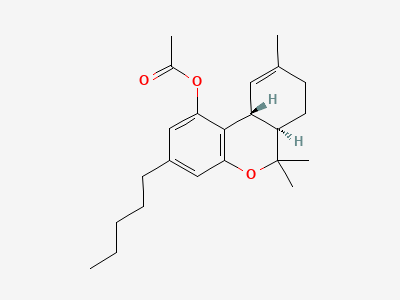
What changed: the hydroxyl group is made into an acetate ester.
Sources: PubChem CID 16078 (opens in a new tab); PubChem CID 198013 (opens in a new tab)
Nicotine to 6-Methyl nicotine
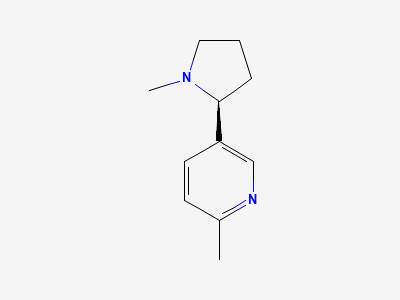
What changed: a methyl group added at position 6 of the ring.
Sources: PubChem CID 89594 (opens in a new tab); PubChem CID 25768196 (opens in a new tab)
Molecular weight of each compound
Compound cards
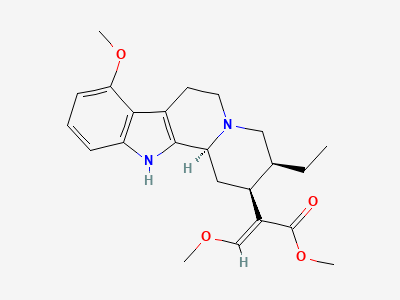
- PubChem CID
- 3034396 (opens in a new tab)
- Formula
- C23H30N2O4
- Mol. weight
- 398.5 g/mol
- XLogP3
- 3.4 (PubChem estimate of fat solubility)
- PubChem title
- (-)-Mitragynine
Image: PubChem 2D structure, CID 3034396.
Kratom alkaloids · Natural leaf alkaloid
Mitragynine
The most abundant alkaloid in kratom leaves. It binds the same brain receptors (mu-opioid receptors) as opioid drugs such as codeine, and also acts on serotonin, dopamine and norepinephrine systems.
“Mitragynine is the most abundant alkaloid in the leaves.”
Source: EUDA kratom drug profile; FDA and Kratom (opens in a new tab) · second source (opens in a new tab)
- US federal
- Not federally scheduled. FDA says kratom is not lawfully marketed in the U.S. as a drug, a dietary supplement or a food additive. Source: FDA and Kratom (opens in a new tab)
- DEA proposed temporary control of mitragynine and 7-OH in August 2016. Source: Federal Register (DEA), Aug 31, 2016 (opens in a new tab)
- Notable states
- Schedule I or banned in Alabama, Arkansas, Indiana, Vermont (regulated drug list) and Wisconsin; Kansas added mitragynine to Schedule I (SB 430, 2026); Tennessee banned kratom (in effect July 1, 2026). Source: State laws and rules, compiled on our 50-state page
- EU and international
- Not listed in the UN drug conventions. Mitragyna speciosa, mitragynine or 7-OH were reported controlled in at least 12 European countries (EUDA profile dated 2015). Sweden classed kratom as a narcotic in 2025. Source: EUDA kratom drug profile; Government Offices of Sweden (opens in a new tab) · second source (opens in a new tab)
- United Kingdom
- GapUK status not yet confirmed on an official UK source in our records.
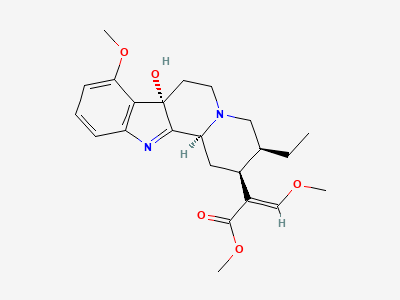
- PubChem CID
- 44301524 (opens in a new tab)
- Formula
- C23H30N2O5
- Mol. weight
- 414.5 g/mol
- XLogP3
- 2.3 (PubChem estimate of fat solubility)
- PubChem title
- 7-Hydroxymitragynine
Image: PubChem 2D structure, CID 44301524.
Kratom alkaloids · Concentrated, semi-synthetic product ingredient
7-Hydroxymitragynine (7-OH)
A minor kratom alkaloid, under 2 percent of the leaf's total alkaloids, with much greater mu-opioid receptor potency than mitragynine or morphine. FDA calls it an opioid that can be more potent than morphine.
“7-OH demonstrates substantially greater mu-opioid receptor potency than kratom's primary alkaloid constituent mitragynine, as well as other classical opioids such as morphine.”
Source: FDA and Kratom; FDA press release, July 29, 2025 (opens in a new tab) · second source (opens in a new tab)
- US federal
- There are no FDA-approved 7-OH drugs, 7-OH is not lawful in dietary supplements and it cannot be lawfully added to food. FDA recommended scheduling on July 29, 2025. Source: FDA press release, July 29, 2025 (opens in a new tab)
- DEA notice of intent (Oct 14, 2026) to temporarily place 7-OH and mitragynine pseudoindoxyl in Schedule I above a set threshold. A notice of intent is not yet a temporary order. Source: Federal Register, 91 FR 65370 (DEA-1570) (opens in a new tab)
- Notable states
- Schedule I, banned or restricted by law or rule in 13 states on our 50-state page, including Florida (emergency rule), Kansas (HB 2365), Ohio (Board of Pharmacy rule) and Tennessee. Source: State laws and rules, compiled on our 50-state page
- EU and international
- Not internationally controlled; WHO's expert committee kept kratom, mitragynine and 7-OH under surveillance in 2021. Listed with mitragynine among substances controlled in at least 12 European countries (EUDA, 2015). Source: WHO ECDD 44th meeting annex; EUDA kratom profile (opens in a new tab) · second source (opens in a new tab)
- United Kingdom
- GapUK status not yet confirmed on an official UK source in our records.
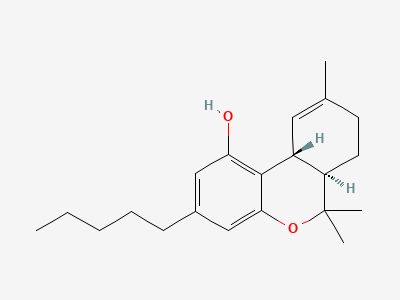
- PubChem CID
- 16078 (opens in a new tab)
- Formula
- C21H30O2
- Mol. weight
- 314.5 g/mol
- XLogP3
- 7 (PubChem estimate of fat solubility)
- PubChem title
- Tetrahydrocannabinol
Image: PubChem 2D structure, CID 16078.
Cannabinoids · Natural plant compound
Delta-9 THC
The main ingredient in cannabis that produces the psychoactive effect.
“THC (delta-9-tetrahydrocannabinol) is the main ingredient that produces the psychoactive effect.”
Source: DEA Drug Fact Sheet: Marijuana (opens in a new tab)
- US federal
- THC is Schedule I except THC in hemp. Under the 2018 Farm Bill, hemp is cannabis with no more than 0.3 percent delta-9 THC by dry weight. A November 2025 law (Pub. L. 119-37) moves the limit to total THC and caps finished products at 0.4 mg per container; most of it now takes effect December 11, 2026. In April 2026 DOJ moved state-legal medical marijuana to Schedule III. Source: Congressional Research Service, LSB11496 (Oct 28, 2026) (opens in a new tab)
- Notable states
- GapState cannabis laws vary widely; we do not track them on this site.
- EU and international
- GapEU summary not yet added. Cannabis is controlled under the UN drug conventions; national rules vary.
- United Kingdom
- Cannabis, cannabis resin and cannabinol derivatives are Class B drugs. Source: Misuse of Drugs Act 1971, Schedule 2, Part II (legislation.gov.uk) (opens in a new tab)
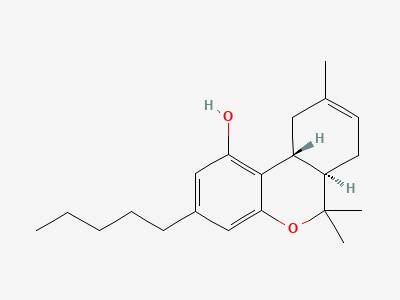
- PubChem CID
- 638026 (opens in a new tab)
- Formula
- C21H30O2
- Mol. weight
- 314.5 g/mol
- XLogP3
- 5.7 (PubChem estimate of fat solubility)
- PubChem title
- Delta-8-Tetrahydrocannabinol
Image: PubChem 2D structure, CID 638026.
Cannabinoids · Concentrated, converted from hemp CBD
Delta-8 THC
A psychoactive cannabinoid found only in small amounts in the plant, so concentrated products are typically made from hemp-derived CBD. FDA says it has intoxicating effects similar to delta-9 THC and has not been evaluated or approved for safe use in any context.
“Delta-8 THC has psychoactive and intoxicating effects, similar to delta-9 THC.”
Source: FDA, 5 Things to Know about Delta-8 THC (opens in a new tab)
- US federal
- Sold under the 2018 hemp definition, which counted only delta-9 THC. The 2025 hemp law counts delta-8 in total THC; that change takes effect December 11, 2026. FDA and FTC have warned sellers of snack look-alike delta-8 edibles (2023 and 2024). Source: Congressional Research Service, LSB11496; FDA (opens in a new tab) · second source (opens in a new tab)
- Notable states
- GapState delta-8 laws not yet compiled in our records.
- EU and international
- GapNot yet confirmed on an EU source in our records.
- United Kingdom
- GapNot yet confirmed on a UK source in our records.
- PubChem CID
- 16050328 (opens in a new tab)
- Formula
- C21H32O2
- Mol. weight
- 316.5 g/mol
- XLogP3
- 7.8 (PubChem estimate of fat solubility)
- PubChem title
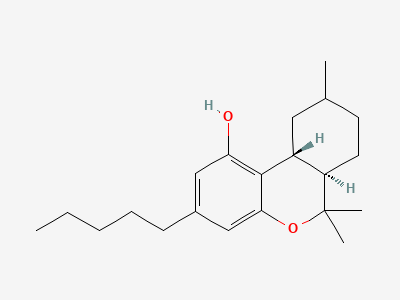
- Hexahydrocannabinol
PubChem CID 16050328 leaves the 9-position undefined; products are usually a mix of two forms (9R and 9S).
Image: PubChem 2D structure, CID 16050328.
Cannabinoids · Semi-synthetic
HHC (hexahydrocannabinol)
The first semi-synthetic cannabinoid reported in the EU, made from CBD extracted from hemp. Lab studies suggest effects broadly similar to THC; effects in people have not been studied.
“It is the first semi-synthetic cannabinoid (SSC) to be reported in the EU.”
Source: EUDA (EMCDDA), April 17, 2023 (opens in a new tab)
- US federal
- GapNot named in federal law in our records. How the new hemp definition applies to HHC depends on FDA's list of cannabinoids the plant can naturally produce.
- Notable states
- Kansas placed HHC in Schedule I (HB 2365, signed April 10, 2026). Source: Kansas session laws 2026, chapter 133 (opens in a new tab)
- EU and international
- Under international control since December 6, 2025, the first semi-synthetic cannabinoid to be so, after the UN Commission on Narcotic Drugs vote in March 2025. Source: UNODC announcement (opens in a new tab)
- United Kingdom
- Government accepted expert advice (August 2025) to name HHC a Class B drug and confirmed the plan in May 2026. We have not confirmed the order is in force. Source: GOV.UK, ACMD semi-synthetic cannabinoids correspondence (opens in a new tab)
- PubChem CID
- 198013 (opens in a new tab)
- Formula
- C23H32O3
- Mol. weight
- 356.5 g/mol
- XLogP3
- 7.1 (PubChem estimate of fat solubility)
- PubChem title
- delta9-Tetrahydrocannabinol acetate
Image: PubChem 2D structure, CID 198013.
Cannabinoids · Semi-synthetic, does not occur in the plant
THC-O acetate
An acetate ester of THC that does not occur naturally in cannabis. DEA said in 2023 that it can only be obtained synthetically.
“can only be obtained synthetically, and therefore [does] not fall under the definition of hemp”
- US federal
- DEA's 2023 opinion: Schedule I. A 2024 federal appeals court (4th Cir., Anderson v. Diamondback) disagreed for that case. Since November 12, 2026, federal hemp excludes cannabinoids the plant cannot naturally produce, such as THC-O. Source: Congressional Research Service, LSB11496 (opens in a new tab)
- Notable states
- GapState THC-O laws not yet compiled in our records.
- EU and international
- GapNot yet confirmed on an EU source in our records. EUDA reports HHC acetate (HHC-O), a related ester, on the EU market.
- United Kingdom
- GapNot yet confirmed on a UK source in our records.
- PubChem CID
- 89594 (opens in a new tab)
- Formula
- C10H14N2
- Mol. weight
- 162.23 g/mol
- XLogP3
- 1.2 (PubChem estimate of fat solubility)
- PubChem title
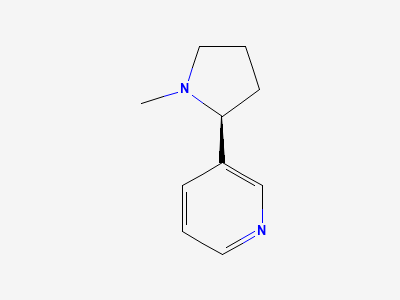
- Nicotine
Image: PubChem 2D structure, CID 89594.
Nicotine and analogs · Natural plant compound
Nicotine
A highly addictive chemical compound found in the tobacco plant. It is why tobacco products, including most e-cigarettes, are hard to quit.
“Nicotine is a highly addictive chemical compound present in a tobacco plant.”
Source: FDA, Nicotine Is Why Tobacco Products Are Addictive (opens in a new tab)
- US federal
- FDA regulates tobacco products, including e-cigarettes since 2016, and nicotine from any source (including synthetic) since April 14, 2022. A product needs FDA marketing authorization before it can be sold. Federal minimum sale age is 21. Source: FDA, non-tobacco nicotine; FDA, Tobacco 21 (opens in a new tab) · second source (opens in a new tab)
- Notable states
- 12 states run a vape directory (only listed, authorized products may be sold) and 3 more have passed one; Massachusetts, New York and California restrict flavored products. Source: State revenue, tobacco and attorney general pages, compiled on our 50-state page
- EU and international
- E-cigarettes are regulated under the EU Tobacco Products Directive. Belgium (2025) and France (2025) ban disposable e-cigarettes, and the Commission has approved similar notices from Bulgaria, Ireland, Austria, Spain and Poland (2026). Source: European Commission, tobacco product regulation (opens in a new tab)
- United Kingdom
- Sale and supply of single-use (disposable) vapes is illegal since June 1, 2025, with or without nicotine. Source: GOV.UK, single-use vapes ban (opens in a new tab)
- PubChem CID
- 25768196 (opens in a new tab)
- Formula
- C11H16N2
- Mol. weight
- 176.26 g/mol
- XLogP3
- 1.6 (PubChem estimate of fat solubility)
- PubChem title
- Nicotine, 6-methyl-
Image: PubChem 2D structure, CID 25768196.
Nicotine and analogs · Synthetic analog
6-Methyl nicotine (6MN)
GapA lab-made nicotine analog that binds the same brain receptors as nicotine. It is sold in e-cigarettes and pouches marketed as 'tobacco-free'. Its abuse liability and toxicity are unknown. No FDA, DEA, EMA or EUDA description found yet; this line is from peer-reviewed reviews.
Source: Peer-reviewed reviews (PMC13543675, PMC13734282) (opens in a new tab) · second source (opens in a new tab)
- US federal
- Not regulated by FDA as a tobacco product, because the 2022 law covers nicotine, not modified versions of it. The reviews report FDA has proposed closing the gap; no final federal action in our records. Source: Peer-reviewed reviews (PMC13543675, PMC13734282) (opens in a new tab)
- Notable states
- Indiana bans nicotine analog products; California extended its flavored-nicotine sales ban to flavored nicotine analogs (as reported by peer-reviewed reviews). Source: Peer-reviewed reviews (PMC13543675, PMC13734282) (opens in a new tab)
- EU and international
- The reviews report that the EU and several US states treat these compounds like nicotine under tobacco rules, though EU coverage does not extend to nicotine-analog pouches. Source: Peer-reviewed review (PMC13543675) (opens in a new tab)
- United Kingdom
- GapNot yet confirmed on a UK source in our records.
Potency: how tightly kratom alkaloids bind the opioid receptor
Lab studies measure how tightly a compound binds the mu-opioid receptor, the target of morphine and fentanyl. A lower number (Ki, in nanomolar) means tighter binding. Each dot is one published measurement; labs, species and methods differ, so the spread is real and the values are not a human dose comparison.
Mu-opioid receptor binding (Ki, nM): lower is tighter
7-OH and the newer kratom-derived compounds bind far more tightly than mitragynine, the main leaf alkaloid, and come closer to morphine.
Potency compared with morphine (morphine = 1), by assay
Assay-specific animal, tissue or modelled values, shown on a log scale. They are not human dose equivalents, and different tests are not directly comparable.
- Mitragynine: modelled morphine-milligram-equivalent factor (geomean) (Heywood 2026)
- 7-OH: IV respiratory depression in rats (Zuarth Gonzalez 2025)
- Mitragynine pseudoindoxyl: guinea-pig ileum (isolated tissue) (Yamamoto 1999)
- MGM-15: guinea-pig ileum, derived from reported pD2 difference (about 1.1 log units) (Matsumoto 2014)
- MGM-16: mouse tail-flick antinociception (Matsumoto 2014)
- Fentanyl: DEA statement (DEA)
- Carfentanil: DEA statement (DEA (Sep 22, 2016))
Leaf versus product: how much 7-OH is in what is sold
7-OH and mitragynine content, natural leaf versus 7-OH products (mg per gram)
Natural leaf measured 0.05 to 0.15 mg of 7-OH per gram; products labeled as kratom extract but built on 7-OH measured 22 to 75 mg per gram, hundreds of times more, while their mitragynine was lower than the leaf's.
Open circle: below the test's limit of detection. Lab content measurements, not dosing information.
More lab results, including label accuracy and heavy metals, are on Trace: source to shelf to harm. For how each compound family was regulated over time, see the regulatory family tree.
Gaps and sources
We list what we have not yet confirmed rather than guess. Open gaps on this page (13):
- Mitragynine: UK status
- 7-Hydroxymitragynine (7-OH): UK status
- Delta-9 THC: states status
- Delta-9 THC: EU status
- Delta-8 THC: states status
- Delta-8 THC: EU status
- Delta-8 THC: UK status
- HHC (hexahydrocannabinol): US federal status
- THC-O acetate: states status
- THC-O acetate: EU status
- THC-O acetate: UK status
- 6-Methyl nicotine (6MN): no agency description yet
- 6-Methyl nicotine (6MN): UK status
Know an official source that fills one? Email [email protected]. See our corrections policy. Open data: compound profiles, sourced data points.